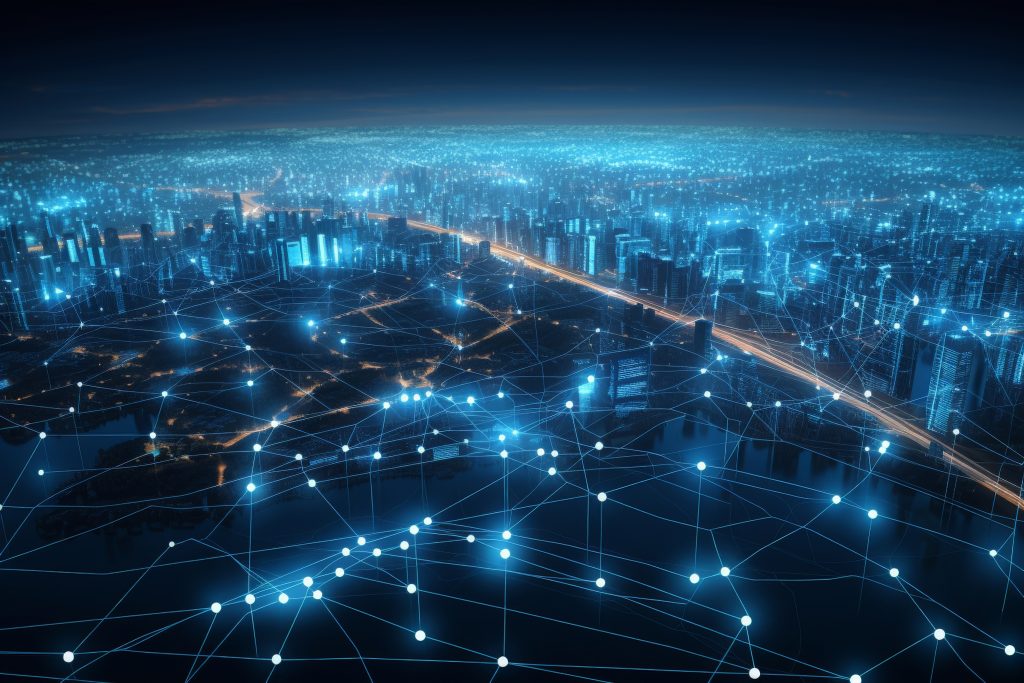

Building a Cyber-Resilient Smart Grid for a Utility

Building a Cyber-Resilient Smart Grid for a Utility

A major national utility provider was modernizing its infrastructure into a smart grid. While this introduced efficiencies through IoT sensors and real-time data, it also dramatically expanded the cyber-attack surface. The provider needed to protect this critical national infrastructure from increasingly sophisticated threats.

The Challenge
The smart grid’s complexity presented unique security challenges. The legacy Operational Technology (OT) systems were not designed with modern connectivity in mind, making them vulnerable. The key objectives were to:

  1. Gain Unified Visibility: Achieve a real-time view of the entire IT and OT network to detect anomalous behaviour.

  2. Prevent Operational Disruption: Ensure that a cyber incident could not cause a physical disruption to the energy supply.

  3. Achieve 24/7 Automated Threat Response: Move beyond manual monitoring to a system that could detect and neutralise threats in milliseconds.

The Technosurge Solution
We architected and implemented a specialised Cyber-Physical Defence System, integrating cutting-edge technologies.

  1. Deploying Network Segmentation: We started by creating strict network segments, isolating critical control systems from corporate IT networks. This created air gaps that contained any potential breach.

  2. Implementing AI-Powered Anomaly Detection: We deployed sensors across the grid that continuously analysed network traffic and device behaviour. Our AI models learned “normal” operations for every turbine, substation, and sensor, allowing them to flag subtle, malicious deviations instantly.

  3. Establishing an Automated Response Protocol: For the most critical threats, we designed automated playbooks. For example, if the system detected a command that could physically overload a transformer, it could automatically block that command and isolate the compromised device before human operators could even react.

Results & Impact
The new defence system transformed the utility’s security posture from reactive to proactively resilient.

  • 99.8% Reduction in Critical Alerts: The AI’s precision filtered out thousands of false positives, allowing the security team to focus on the 0.2% of alerts that represented genuine, high-severity threats.

  • Containment of a Sophisticated Attack: The system successfully identified and neutralised a multi-stage attack that had bypassed traditional signature-based defences. The threat was contained within a non-critical network segment, preventing any disruption to the energy supply.

  • Compliance with National Security Standards: The solution provided the necessary auditing and protection capabilities to meet and exceed stringent new regulations for critical national infrastructure.

This case study established a new benchmark for securing the interconnected systems that underpin modern society, proving that resilience can be built into the very fabric of critical infrastructure.

Case Studies

Strengthening AI Agent Security with Identity Management

Strengthening AI Agent Security with Identity Management

The Strategic Imperative: Securing the Digital Workforce As organizations scale their automation efforts, a new security challenge is emerging —...

READ MORE
Darktrace – The Self-Learning Defense System

Darktrace – The Self-Learning Defense System

The Challenge: In the modern digital enterprise, threats no longer just come from the outside. Sophisticated zero-day attacks and malicious insider...

READ MORE
Mastercard -Decisive AI in Financial Fraud Prevention

Mastercard -Decisive AI in Financial Fraud Prevention

Mastercard – Decisive AI in Financial Fraud Prevention Industry: Financial Services The Challenge: The scale and speed of digital payment fraud are...

READ MORE
wpChatIcon
wpChatIcon